
Fall armyworms can quickly damage a lawn. Many homeowners see the damage in late summer or early fall and wonder what happens when winter arrives. Do the pests die off, or can they return in spring?
Understanding how fall armyworms survive winter helps explain why infestations can return each year. Cold weather affects these pests, but it doesn’t always remove the risk. Their migration and lifecycles play a big role when they appear again.
Understanding the Fall Armyworm Lifecycle
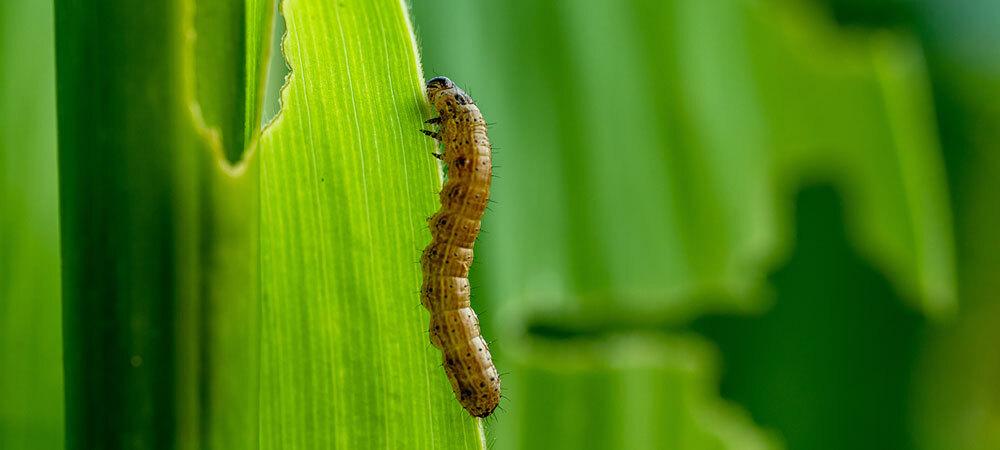
The armyworm lifecycle moves quickly. Adult moths lay eggs on grass and other plants. After hatching, the caterpillars feed on turfgrass, then form pupae in the soil before becoming moths again.
This cycle can repeat several times during warm months, allowing large populations to build quickly and damage lawns in just a few days.
Why Armyworms Are a Regional Concern
Armyworms are more common in warmer regions of the United States. Areas with mild winters allow the insects to survive longer and reproduce earlier in the year.
In regions with colder winters, pests usually can’t survive prolonged freezing temperatures. However, that doesn’t always mean lawns are safe from future outbreaks.
Seasonal Migration versus Local Survival
One reason armyworms remain a concern is seasonal migration. Adult moths can travel long distances as weather patterns shift. Even if a local population doesn’t survive winter, new moths may arrive from warmer areas in spring or early summer. That’s why homeowners often see armyworms return even after a cold winter.
What Winter Temperatures Mean for Armyworms
Cold weather plays an important role in the overwintering of lawn pests. Many insects survive in winter by hiding in soil, plant debris, or protected spaces. Armyworms, however, are less tolerant of freezing temperatures than some other lawn pests.
How Cold Affects Armyworm Survival
Prolonged freezing conditions usually kill fall armyworm larvae and pupae in northern regions. Unlike certain insects that can remain dormant underground, armyworms typically can’t survive deep winter cold. That means local populations are often significantly reduced when temperatures remain low for extended periods.
Why Armyworms Often Return in Spring
Even though winter reduces local populations, armyworms can still return the next season. Adult moths move north as temperatures rise in late spring and early summer. The moths lay eggs in lawns and fields. Because the armyworm lifecycle moves quickly, lawn damage can appear within a few weeks.
Preparing Lawns for Potential Spring Damage
Even though fall armyworms may not survive winter locally, lawns can still face infestations once warm weather returns. Early preparation can help reduce the chance of severe turf damage.
Early Warning Signs to Watch For
Homeowners should watch their lawns for signs of feeding as temperatures warm. Early warning signs may include:
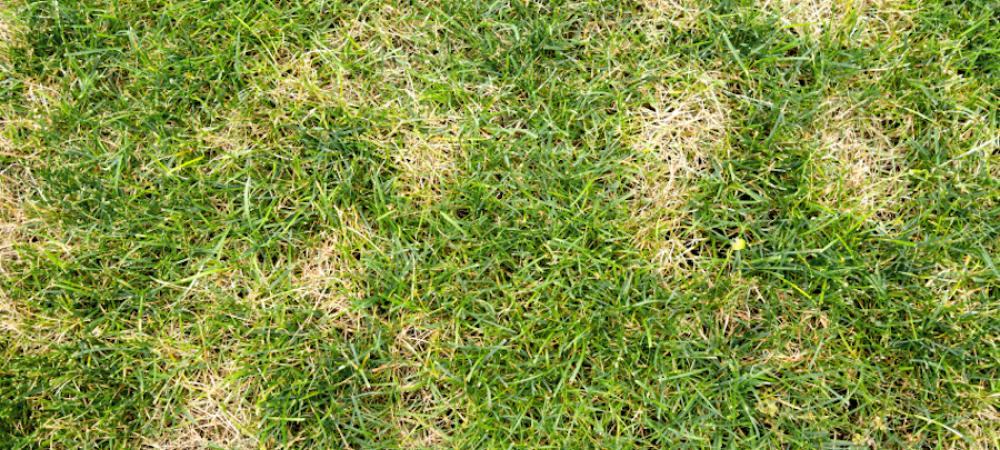
- Small brown patches in the grass
- Grass blades that look chewed
- More birds are gathering on the lawn
- Caterpillars feeding near the soil
Catching these signs early can help limit lawn damage.
Preventive Lawn Care Strategies
Healthy lawns are often better able to handle pests. A few simple lawn care steps may help reduce damage if armyworms appear:
- Maintain proper mowing height
- Water deeply but not too often
- Support root growth with seasonal treatments
- Watch lawns closely in late summer and early fall
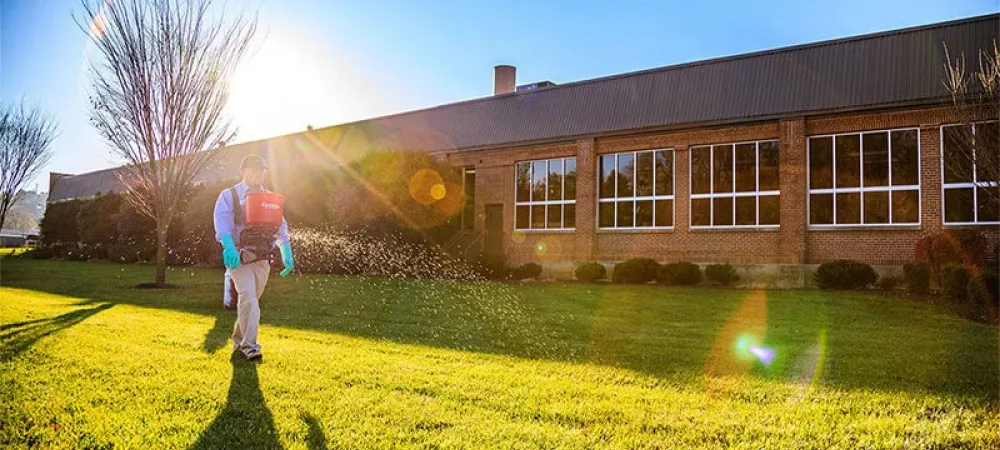
Professional lawn care can also help monitor for pests and respond quickly if needed.
Request Fall Armyworm Control
If armyworms have damaged your lawn before, planning can help. Even though winter may reduce local populations, new pests can return when temperatures rise.
The Green Team offers lawn care services in Greensboro and Charlotte, NC, and Roanoke, VA, to help monitor and control seasonal pests before damage spreads. As a locally owned and operated company, we understand local lawn challenges and back our work with a 100% satisfaction guarantee.
If armyworms have damaged your lawn before, early planning is critical.
Get in touch with The Green Team to discuss preventive strategies before spring pests return.
Frequently Asked Questions
Are Fall Armyworms Still A Threat After Winter Ends?
Even if they die during winter, new armyworms can arrive in spring or early summer.
Do Cold Winters Eliminate Armyworms?
Cold weather often kills local armyworms, but new ones can migrate into the area later.