
Winter may seem like a quiet time for your yard, but a lot is happening below the surface. Even when grass looks brown and still, your lawn is going through natural changes that affect winter lawn health, spring growth, and long-term turf quality.
Many homeowners assume nothing matters until warmer weather returns, yet the condition of your lawn during winter plays a big role in how it performs later.
Cold temperatures, moisture, and soil conditions all influence how grass survives in winter dormancy. Understanding what happens during this season can help prevent winter lawn damage and support stronger spring lawn preparation.
What Lawn Dormancy Really Means
Even though the lawn looks inactive on the surface, important changes are still happening below ground. These hidden processes play a key role in how well your grass survives winter and returns in spring.
Why Grass Stops Growing But Soil Still Changes
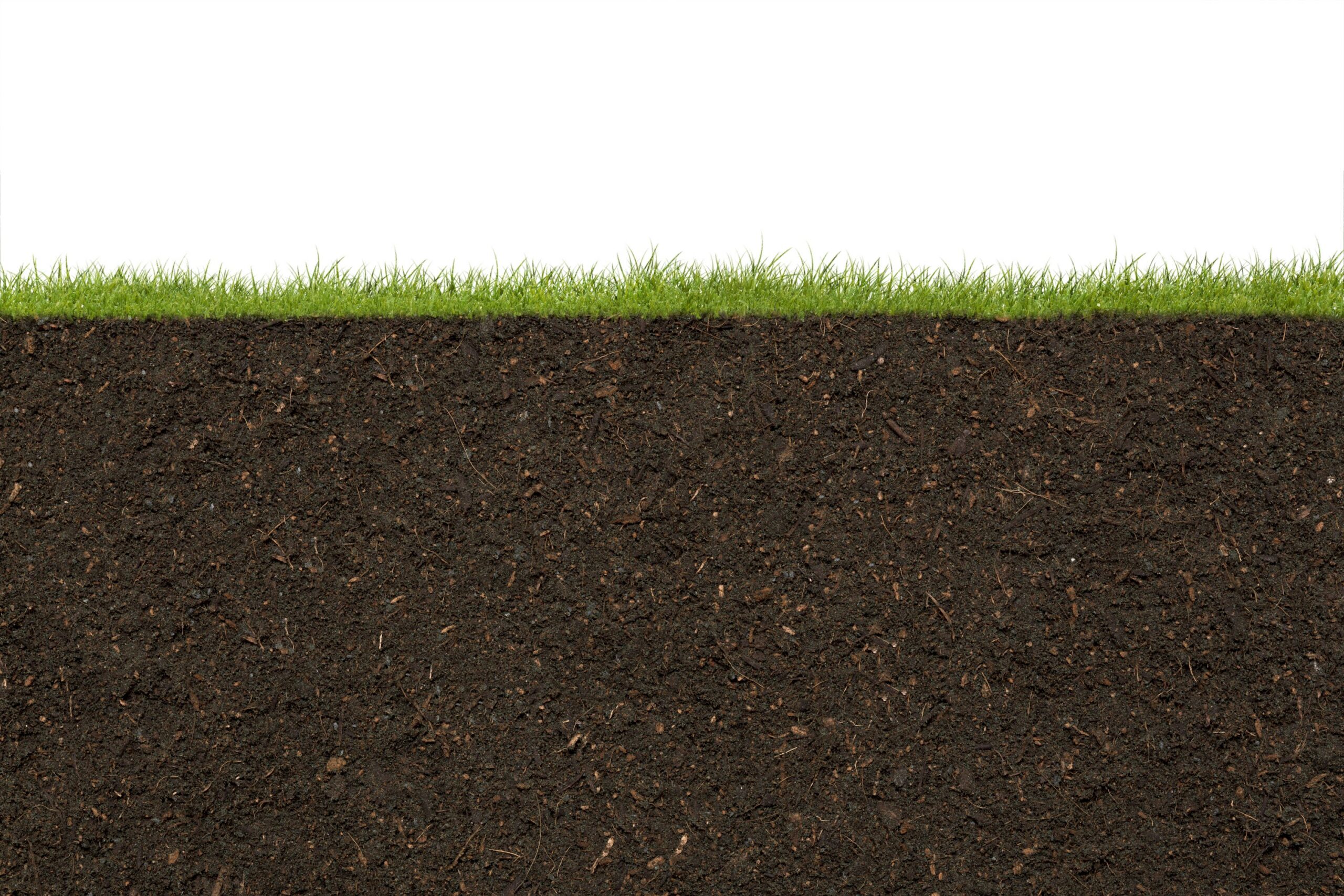
During winter lawn dormancy, grass conserves energy by pausing top growth, but the root system does not shut down completely. While blades stop growing, the soil continues to absorb moisture from snow and winter rain, and repeated freezing and thawing slowly change soil structure.
If the soil becomes compacted or stays too wet during this time, roots have less access to oxygen and nutrients. That stress can leave grass weaker by spring, leading to slower green-up and uneven growth once warmer weather returns.
How Cold, Moist Conditions Stress Turf
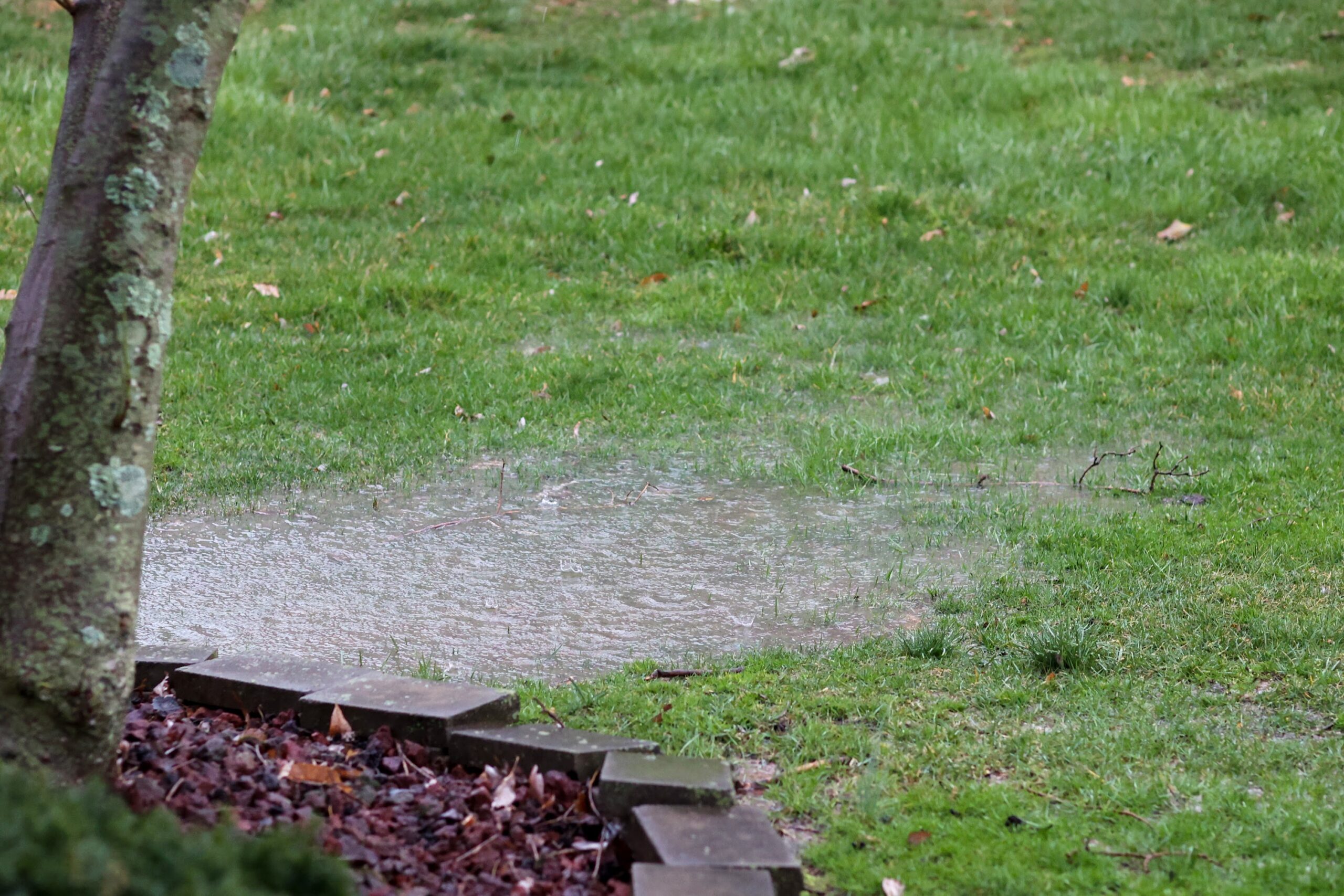
Winter often brings freezing temperatures followed by brief thaws. These freeze-and-thaw cycles cause the soil to expand and contract, which can stress grass roots. Wet conditions can also make turf weaker over time.
Snow sometimes protects the lawn, but too much moisture combined with cold weather can lead to root stress and disease. These winter conditions may not show right away, but they can lead to thin or uneven growth in spring.
Hidden Lawn Issues That Develop in Winter
Some of the most important lawn problems start quietly during the colder months, even when there are no clear signs on the surface.
Soil Compaction & Thatch Buildup
Soil compaction is a common winter issue. When the ground is frozen or wet, walking on the lawn or leaving heavy objects on it can compact the soil. Compacted soil makes it harder for roots to grow and limits airflow underground.
Thatch buildup can also increase during winter. Thatch is a layer of dead grass and organic material between the soil and the grass blades. Too much thatch blocks water and nutrients from reaching the roots, which can slow spring recovery and weaken the lawn.
Moisture Retention and Disease Risk
Winter often brings long periods of damp weather. When moisture stays trapped in the lawn, it creates the right conditions for turf disease. Fungal problems may develop during late winter or early spring, especially if the grass stays wet for long periods.
Poor drainage, compacted soil, and thick thatch can all trap moisture. If these issues are not corrected, they can lead to visible winter lawn damage once the lawn begins to wake up.
How Winter Lawn Conditions Affect Spring Recovery
The condition of your lawn during winter directly shapes how smoothly it transitions into the growing season.
Delayed Green-Up & Uneven Growth
If your lawn struggled during winter, it may take longer to turn green in spring. Some areas may grow quickly, while others stay thin or patchy. Soil compaction, root stress, and winter moisture problems often cause this uneven growth.
Weak turf also gives weeds a chance to spread. This is why early spring lawn preparation is important for helping your lawn recover and grow evenly.
Why Winter Care Impacts Long-Term Lawn Health
Winter conditions affect more than how your lawn looks in spring. Compacted soil, too much moisture, and weak roots can make grass less healthy all year. Lawns that struggle early often need extra care later to recover.
Taking care of winter lawn health helps roots stay stronger, supports better growth, and helps grass handle weeds, heat, and dry weather when temperatures rise.
Request Lawn Services From The Green Team
Winter is part of your lawn’s natural cycle, but the right lawn care program can make a big difference. The Green Team provides lawn services designed to support turf health year-round.
Our recurring programs run every 4 to 9 weeks from early spring to late fall and follow a proven 6-step treatment plan that promotes healthy soil and strong grass.
Our certified and trained team understands how seasonal changes affect turf. With consistent care and effective treatments, we help improve soil condition, reduce stress, and support long-term lawn health.
Request your free quote today and schedule lawn services with The Green Team to support healthy grass from winter through spring.