

Lawn fungus can move quickly once the right conditions appear, so early detection is the key to protecting your turf and controlling lawn diseases. Whether you live in Charlotte with warm-season grasses or in Roanoke and Lynchburg with cool-season blends, fungal diseases can develop when heat, humidity, and moisture combine.
This guide covers common symptoms, regional risk factors, and when to seek lawn fungus control so you can stay ahead of issues.
Early Warning Signs of Brown Patch Fungus
Brown patch is one of the most common fungal problems in Virginia’s tall fescue lawns. It often begins as circular brown or tan patches that look water-soaked. In the early morning, you may notice a thin, dark ring around the edge of these circles. This subtle border is a clear sign that brown patch fungus is active.
Brown patch thrives in lawns with high humidity, excess nighttime moisture, and thick thatch buildup. Watering in the evening or allowing grass to stay damp for long periods can speed up its spread.
If the disease goes untreated, small patches can merge into large, irregular, dead areas. Early treatment is essential because once brown patch expands, the turf can struggle to recover even after conditions improve.
How to Identify Dollar Spot in Your Lawn
Dollar spot begins as tiny, silver-dollar–sized bleached spots scattered across the turf. These small spots eventually join together to form larger brown areas if the fungus remains active. The most reliable way to confirm dollar spot is to examine the individual grass blades. You will see straw-colored lesions outlined by thin, reddish-brown borders.
This fungus thrives in conditions with warm days and cool nights, which are common in both Charlotte and transitional parts of Virginia. Leaving symptoms unchecked allows dollar spot to spread quickly across stressed or nutrient-poor turf. With early detection and timely treatment, you can stop the disease before it takes hold.
Recognizing Rust Disease on Grass Blades
Rust is easy to identify because it coats grass blades with orange, yellow, or reddish dust-like spores. These spores rub off on shoes, hands, or mower wheels, leaving behind a visible residue. Rust fungus often occurs in lawns weakened by drought stress, low nitrogen, or heavy shade.
If rust disease continues without treatment, turf begins to thin. As damaged blades struggle to grow, the lawn becomes more vulnerable to weeds and additional stress. Rust typically shows up in late summer or early fall in both Charlotte and Roanoke, making seasonal monitoring an important part of lawn care.
Why Hot, Humid Weather Increases Fungus Risk in Charlotte & Roanoke
Both regions face weather patterns that encourage fungal development, but in different ways. Charlotte’s long stretches of humid summer heat create ideal conditions for warm-season turf diseases. The air holds moisture through the night, giving fungus more time to grow.
Roanoke and Lynchburg experience cooler nights, which means moisture often lingers on grass blades until late morning. This extended leaf wetness creates a perfect environment for brown patch, dollar spot, and other fungi.
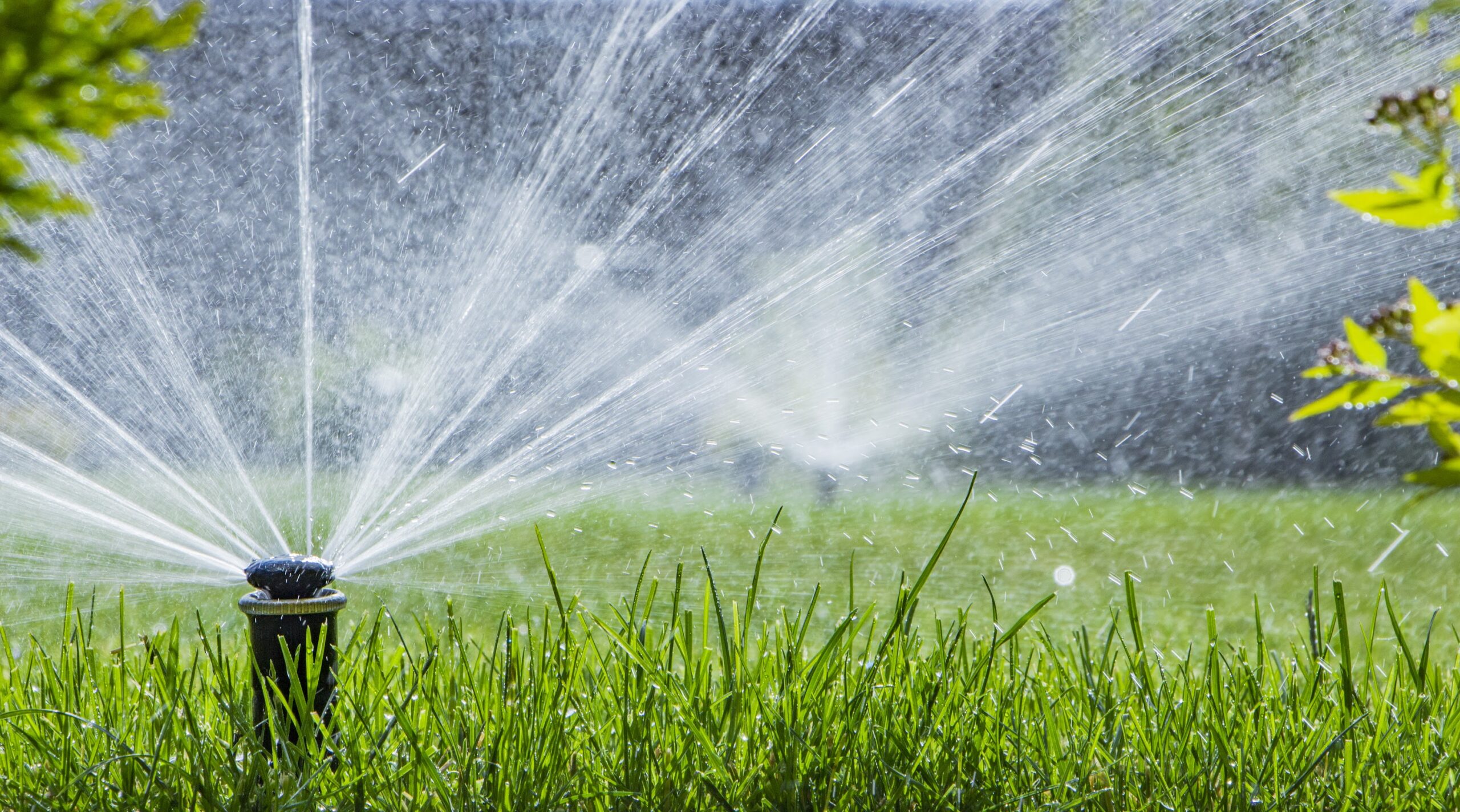
Improper watering, especially watering in the evening, can make these issues worse by keeping the lawn overly damp. Understanding these regional differences helps homeowners stay alert during high-risk weather.
Prevention Tips: Watering, Aeration, Fertilization & More
Homeowners can take several steps to lower the risk of fungal outbreaks:
- Water deeply only two to three times a week and always early in the morning.
- Avoid daily light watering, which keeps grass wet and encourages fungus.
- Aerate your lawn to reduce compaction and improve airflow in clay-heavy soils.
- Follow proper fertilization Too much nitrogen can spark disease, while too little weakens the lawn.
- Mow at the correct height for your grass type and keep mower blades sharp.
- Improve sunlight penetration and airflow by trimming overgrown shrubs or trees.
When to Seek Professional Lawn Fungus Control
If the fungus spreads quickly, keeps returning each year, or leaves large areas of brown turf behind, it is time to call a professional. Each fungal disease requires a specific treatment approach, and accurate diagnosis is essential for long-term success.
The Green Team can identify the fungus, apply targeted products, and create a lawn care program that fits your soil, climate, and grass type.
If you need lawn disease control, contact The Green Team today!