
Watering may seem simple, but in the Carolinas and Virginia, how often you water can make or break your lawn’s health. These regions experience different temperatures, rainfall patterns, and soil conditions, which means your watering routine needs to match your environment.
This guide explains how often to water a lawn and offers lawn care tips that fit both states’ climates.
Regional Climate Snapshot: Carolinas vs. Virginia
The Carolinas, especially around Charlotte, see long stretches of hot, humid weather and unpredictable rainfall. Lawns in this region lose moisture quickly, so homeowners need to plan consistent irrigation.
Virginia cities like Roanoke and Lynchburg experience a milder summer climate with cooler nights and more predictable seasonal transitions. Winters are longer and colder, which slows grass growth and reduces watering needs.
These climate differences directly affect how often lawns should be watered, how deeply irrigation should soak in, and how quickly the soil dries out between sessions.
How Soil Type, Grass Type & Outdoor Temperatures Affect Frequency
Soil Type
In many Virginia regions, lawns benefit from about ½ inch to ¾ inch of water per watering session. Sandy soil drains quickly and warms up quickly, which means it dries out sooner and requires more frequent irrigation.
Clay soils, which are common in both the Carolinas and parts of Virginia, hold water longer but become compacted, making it harder for water to penetrate unless the lawn is aerated regularly.
Grass Type
Warm-season grasses, common in the Carolinas, handle heat better and usually need less frequent watering, though they require deeper soaking during summer.
Cool-season grasses, which appear more often in Virginia, grow actively in spring and fall, so watering demands shift throughout the year.
Outdoor Temperatures
Across both states, early morning is the best time to water. Cooler temperatures reduce evaporation, and the rising sun helps dry the grass blades, lowering the risk of fungus.
Recommended Watering Frequency & Timing
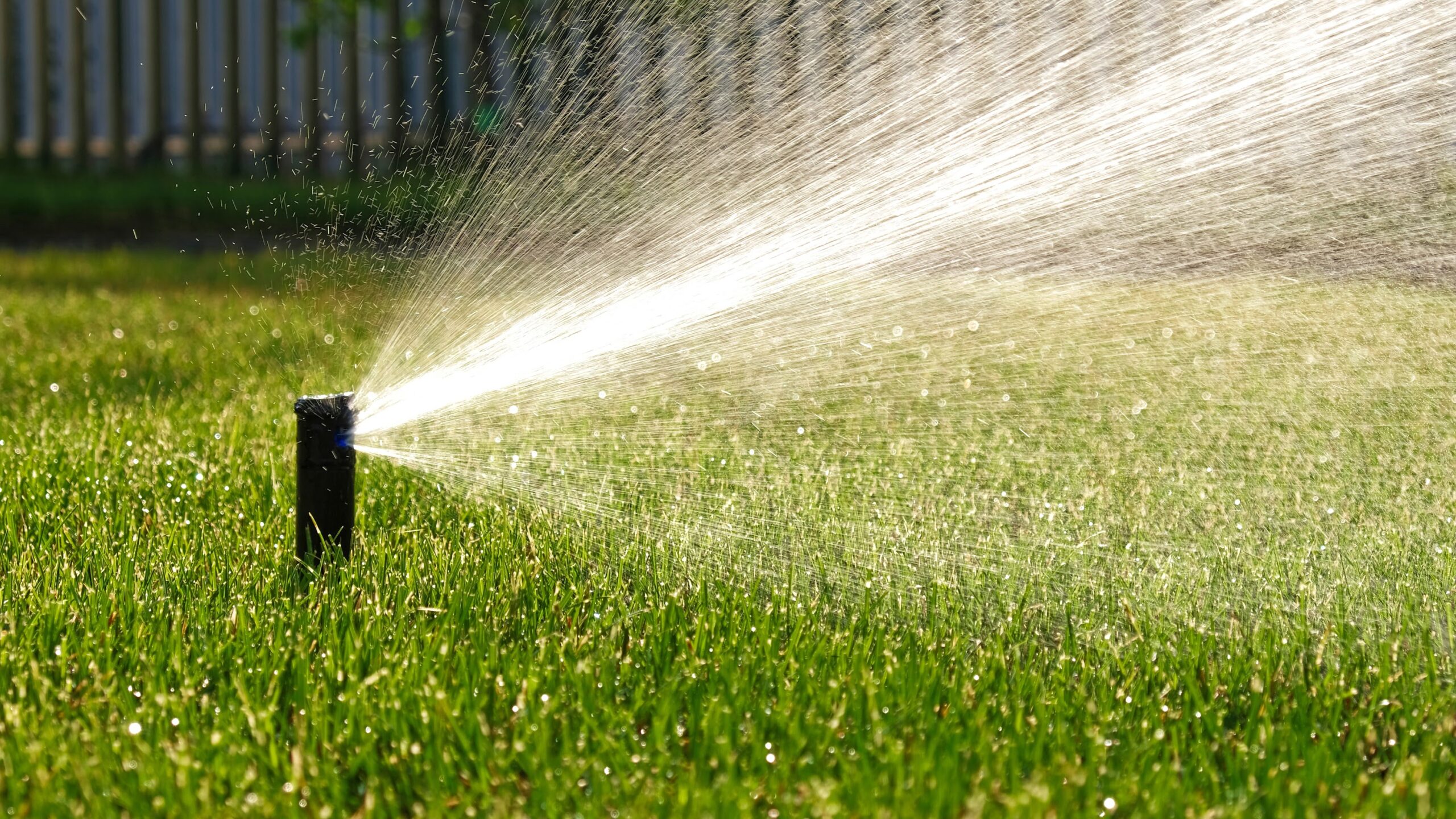
In the Carolinas, lawns generally need about 1 inch to 1 ½ inches of water per week during hot months. It’s better to split this total into two or three deep sessions rather than watering lightly every day. Deep watering encourages roots to grow downward, improving heat and drought tolerance.
Virginia experiences cooler summer conditions, allowing for slightly reduced frequency. Many lawns thrive with two deep waterings per week, totaling about 1 inch of moisture. Again, early-morning irrigation is best.
Risks of Overwatering vs. Underwatering
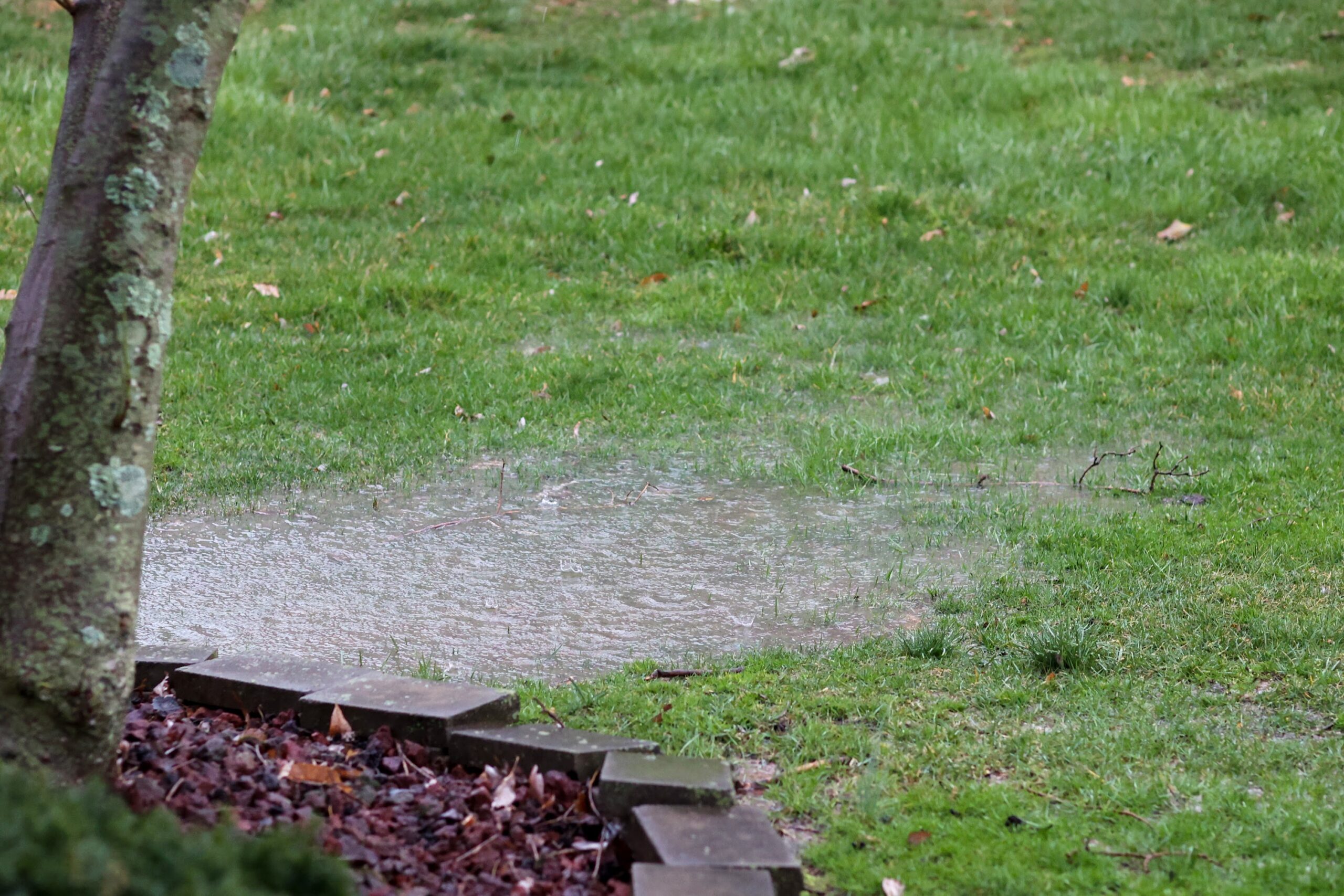
Overwatering is more common than people think. Clay-heavy soils in Charlotte hold moisture longer, so excess watering can leave the ground soggy, promote fungus, and create shallow roots that weaken the turf over time. Too much water also wastes resources and washes nutrients away.
Underwatering brings its own problems. Grass blades may curl or fold, colors may dull from bright green to a blue-green shade, and footprints may linger on the lawn as the turf struggles to bounce back. Cooler regions like Roanoke can hide early signs of drought stress because temperatures are milder, so homeowners should monitor soil moisture closely.
Seasonal Adjustments & Special Considerations
Watering routines should change as the seasons shift. During the peak of summer, lawns in the Carolinas need deeper, less frequent watering to handle long stretches of heat. In Virginia, summer watering requirements are higher than in other seasons, but lawns still face cooler nights that reduce moisture loss.
During spring and fall, both states see reduced watering needs. Grass grows actively, but daylight is shorter and temperatures are more moderate. By winter, most lawns require little watering unless conditions are unusually dry.
Aeration helps water penetrate compacted clay soils, and soil testing can reveal nutrient deficiencies that affect how well lawns absorb moisture. Simple tools like rain gauges or small containers can help measure irrigation levels and prevent guesswork.
Practical Tips & Key Takeaways for Homeowners
- Water early in the morning to reduce evaporation.
- Focus on deep soaking rather than daily light watering.
- Check soil moisture with a screwdriver or probe to gauge depth.
- Adjust frequency based on rainfall and weekly temperatures.
- Monitor stress signs like dull color or footprints.
- Aerate clay-heavy soils to help water reach the root zone.
- Use rain gauges or cups to track watering amounts.
- Adapt your routine season by season.
Request Lawn Care From The Green Team
Watering is only one part of lawn maintenance. Our experts can help you build a lawn care plan that matches your soil, climate, and turf needs.